
 Sudhir Singh
Updated on June 19, 2026
Street vendors lost everything when COVID-19 lockdowns shut down India in 2020. Their pushcarts, their working capital, their daily earnings — all gone overnight. PM SVANidhi (Pradhan Mantri Street Vendor’s AtmaNirbhar Nidhi) was launched in June 2020 to help vendors restart their livelihoods with small loans, without the collateral requirements that normally shut them out of bank credit.
The scheme has since expanded beyond COVID recovery and is now a permanent credit support programme for urban street vendors across India. Over 65 lakh vendors have received loans under this scheme so far.
Loan Structure: Three Tiers
| Loan Stage | Amount | Condition |
|---|---|---|
| First loan | Rs. 10,000 | Vendor meets basic eligibility. |
| Second loan | Rs. 20,000 | First loan fully repaid on time. |
| Third loan | Rs. 50,000 | Second loan fully repaid on time. |
Each loan is repayable in 12 monthly instalments. Timely repayment is what unlocks the next higher loan amount. There is no penalty for early repayment.
Interest Subsidy and Digital Transaction Rewards
The government provides a 7% per annum interest subsidy on PM SVANidhi loans. This subsidy is credited directly to your bank account every 6 months, effectively reducing your borrowing cost.
Vendors who make digital transactions (UPI, QR code, or card payments from customers) earn cashback rewards of up to Rs. 1,200 per year. This reward is directly credited to the bank account and is meant to encourage cash-free payments among street vendor businesses.
Who Is Eligible?
- Street vendors who were vending in urban areas on or before 24 March 2020 (the COVID lockdown date).
- Vendors who hold a vending certificate issued by the Urban Local Body (ULC) or Town Vending Committee (TVC), or who have a letter of recommendation from ULC.
- Vendors who were registered under a scheme run by ULC and whose identity can be verified.
- Vendors from peri-urban areas (rural areas just outside city limits) who vended in the urban area before the lockdown are also eligible.
The scheme covers all types of street vendors: vegetable sellers, fruit vendors, tea stalls, cobblers, barbers, laundry workers, pan shops, and other mobile or stationary vendors operating from pushcarts, cycle carts, or on footpaths.
What Is the Vending Certificate and How to Get One?
The Vending Certificate or Certificate of Recommendation (CoR) is a document from your city’s Urban Local Body confirming that you are a street vendor. This is required to apply for PM SVANidhi.
To get a Vending Certificate:
- Visit your Ward office, Municipal Corporation, or Town Vending Committee office.
- Fill in the vendor registration form with your name, address, vending location, and type of goods sold.
- Submit Aadhaar card and a photograph.
- The TVC does a verification and issues the certificate. This usually takes 7 to 15 working days.
If your ULC has already listed you in their vendor survey database, a Certificate of Recommendation can be obtained faster by citing your registration number.
How to Apply for PM SVANidhi Online
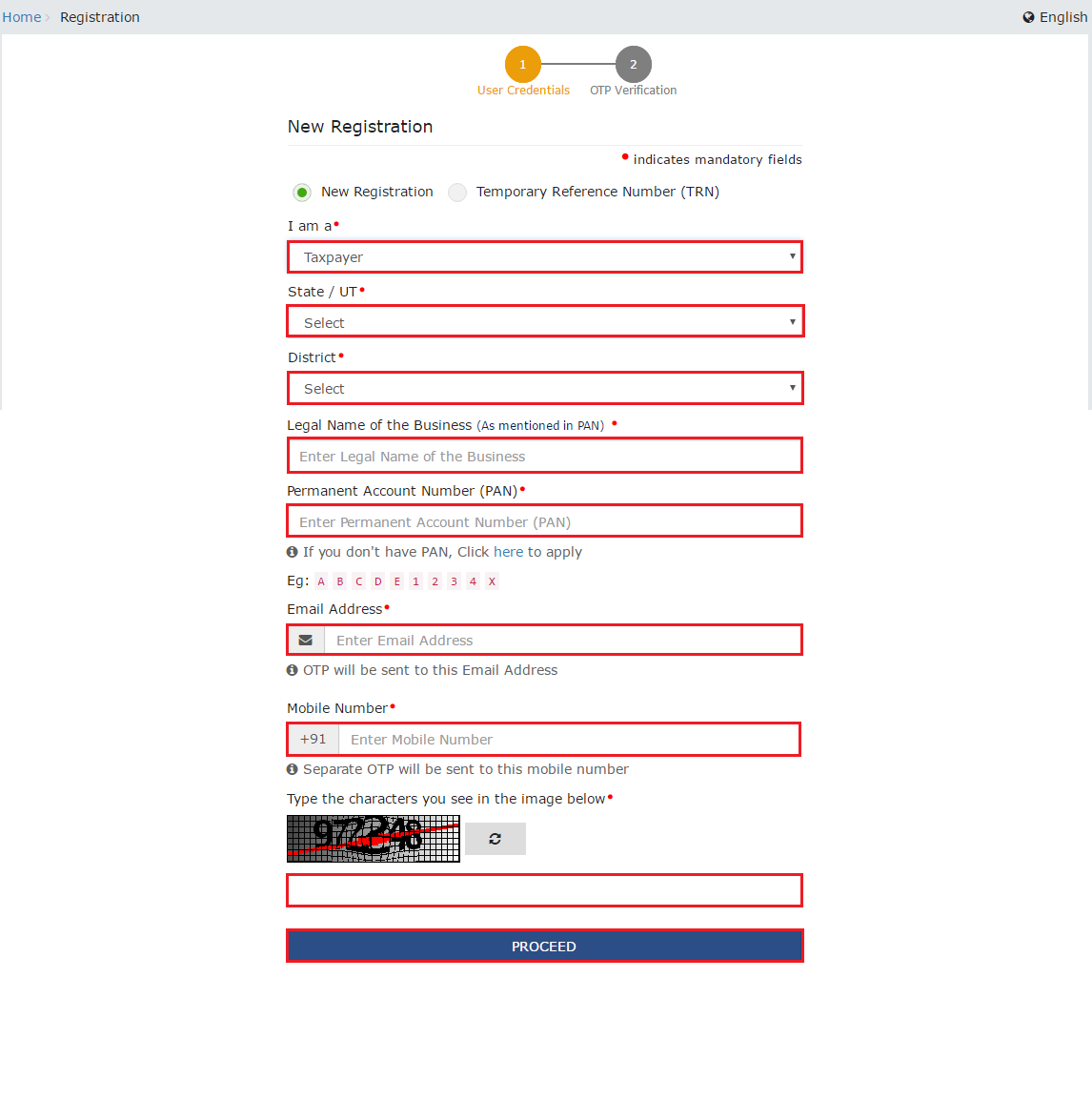
- Go to pmsvanidhi.mohua.gov.in and click “Apply for Loan”.
- Enter your mobile number and verify with OTP.
- Select your state and city.
- Fill in your personal details: name, Aadhaar number, vending location, type of goods sold.
- Enter your bank account details (must be linked to Aadhaar for subsidy transfer).
- Upload your Vending Certificate or Certificate of Recommendation.
- Submit the application. You receive a reference number by SMS.
You can also apply offline by visiting your nearest Scheduled Commercial Bank, Regional Rural Bank, Microfinance Institution (MFI), or Self Help Group (SHG) bank partner. The bank processes the application and disburses the loan directly to your account.
Which Banks Give PM SVANidhi Loans?
The scheme works through a wide network of lending partners:
- Scheduled Commercial Banks: SBI, Bank of Baroda, Canara Bank, and most nationalised banks.
- Regional Rural Banks and Cooperative Banks.
- Microfinance Institutions (MFIs) registered under the RBI.
- Self Help Group (SHG) bank linkage partners.
After submitting your online application, you can choose a nearby bank or lender from the list shown on the portal. The lender does the final KYC and disburses the loan.
How PM SVANidhi Helps Build Credit Score
Many street vendors have no credit history, which prevents them from accessing any formal loan. PM SVANidhi reports repayment data to credit bureaus including CIBIL and Equifax. Timely repayment builds a credit score that can later help vendors access larger business loans, two-wheeler loans, or housing loans from banks.
Frequently Asked Questions
I repaid my Rs. 10,000 loan but the bank is not giving me the Rs. 20,000 second loan. What should I do?
Log in to pmsvanidhi.mohua.gov.in with your mobile number and check your loan status. If repayment is reflected as complete, approach the same lending institution and ask them to process the enhanced credit limit. If they delay without reason, raise a complaint on the portal under “Grievance”.
Can I apply for PM SVANidhi if I started vending after March 2020?
The original scheme required vending activity before 24 March 2020. However, the scheme has been extended and some states have been allowed to include newer vendors who can get a Certificate of Recommendation from the ULC. Check with your Urban Local Body to see if your city includes newer vendors under its vending certificate process.
The 7% interest subsidy has not been credited to my account. What should I do?
The subsidy is credited every 6 months after verifying your repayment track. Check that your Aadhaar is linked to your bank account (required for direct benefit transfer). If the subsidy is still missing after 6 months, log in to the portal and check “Subsidy Status”. File a grievance from the portal if the status shows pending for over 30 days.
📩 If you notice any incorrect data in this guide or wish to share additional information, please write to us at info@indiansouls.in.
Over 2000+ Government Schemes & Policies Simplified
Indian Souls is your guide to government Schemes, scholarships, pensions, subsidies, job exams, and more. We break complex schemes into easy steps, helping every citizen take full advantage of the opportunities available.
No jargon. No confusion. Just useful info that helps indian citizen.




![12 Government Schemes for Urban Poor Must Know About [2025 Guide]](https://indiansouls.in/wp-content/uploads/2025/05/image-1.jpg "12 Government Schemes for Urban Poor Must Know About [2025 Guide] - Indian Souls")

 Sudhir Singh





%20–%20Rates,%20How%20to%20Open%20and%20Benefits)


%20–%20A%20Complete%20Guide)

%202026)

%20–%202025%20Complete%20Guide:%20Latest%20Updates,%20How%20It%20Works%20&%20Who%20Qualifies)

)


