Body Mass Index BMI Calculator
Body Mass Index (BMI) is a numerical value calculated using your weight and height. It provides an estimate of body fat and helps classify individuals as underweight, normal, overweight, or obese.
Although BMI does not directly measure body fat percentage, it is widely used by healthcare professionals worldwide because it is simple, inexpensive, and effective for population-level health screening.
BMI (Body Mass Index) Calculator
How to calculate
BMI?
Metric Formula
BMI = Weight (kg) ÷ [Height (m) × Height (m)]
- Weight in kilograms
- Height in meters
Example:
- Weight = 70 kg
- Height = 1.75 m
BMI = (Weight (lbs) × 703) ÷ [Height (in) × Height (in)]
Imperial Formula
BMI = Weight (kg) ÷ [Height (m) × Height (m)]
- Weight in pounds
- Height in inches
Example:
- Weight = 154 lbs
- Height = 68 inches (5 ft 8 in)
BMI=154×703682=23.4BMI = \frac{154 \times 703}{68^2} = 23.4BMI=682154×703=23.4
BMI Categories (WHO Standard)
- Below 18.5 → Underweight
- 18.5 – 24.9 → Normal or Healthy weight
- 25.0 – 29.9 → Overweight
- 30.0 and above → Obese (Class I, II, or III depending on severity)
How to Use BMI
- Check your current status
- Calculate your BMI using the formula or an online calculator.
- Compare your value with the standard categories.
- Track changes over time
- Regularly check your BMI if you are on a fitness program, diet plan, or medical treatment.
- Use as a starting point
- BMI helps identify potential health risks, but it should be combined with other measures like waist circumference, body fat percentage, and medical checkups.
Benefits of Using BMI
1. Simple and Accessible
Anyone can calculate it at home with just height and weight. No special equipment is needed.
2. Early Health Indicator
BMI helps identify risks related to being underweight or overweight, such as malnutrition, diabetes, hypertension, and cardiovascular diseases.
3. Tracking Progress
For people working on fitness or weight management, BMI provides an easy way to monitor changes over time.
4. Healthcare Benchmark
Doctors, nutritionists, and fitness trainers use BMI as a first step to evaluate overall health and guide further assessments.
Limitations of BMI
- Does not distinguish between muscle and fat. Athletes or bodybuilders may have a high BMI but low body fat.
- Does not consider age, sex, or ethnicity, which can affect body composition.
- Does not account for fat distribution (visceral vs. subcutaneous fat).
Because of these limitations, BMI should be used along with:
- Waist circumference
- Waist-to-hip ratio
- Body fat percentage
- Clinical evaluations
Key Takeaways
- BMI is a quick health screening tool, not a diagnostic test.
- It gives a general picture of whether your weight is in a healthy range for your height.
- A healthy BMI usually means a lower risk of lifestyle-related diseases.
- Always combine BMI results with medical advice for a complete understanding of health.
Free Tools and Calculators: Your Guide to Finance and Schemes
BMI Calculator
Check weight against healthy height.
Atal Pension
“Secure retirement with pension support.”
LPG Gas Subsidy
Claim benefits on household gas.
Sukanya Samriddhi Yojana
Save money for daughter’s future.
National Pension Scheme
Plan retirement with government security.
EPF Pension Scheme
Support employees after retirement years.
Home Loan
Borrow funds to purchase home.
VAT Calculator
Easily calculate applicable VAT.
ROI Calculator
Measure investment return on projects.
Fuel Cost Calculator
Estimate expenses on daily fuel.
Savings & Invest
Grow money through disciplined investment.
Advanced Mortgage
Manage complex property loan payments.
Recurring Deposit
Save monthly for fixed return.
Fixed Deposit
Deposit money earn guaranteed interest.
Income Tax
Calculate annual tax & saving on earning.
HRA Calculator
Enrich our growing community.
GST Calculator
Support special exhibitions.
Mutual Fund
Take support to the next level.
 Sudhir Singh

What Is PHCS Insurance?
 Sudhir Singh
- April 7, 2026




Pradhan Mantri Mudra Yojana (PMMY) – A Complete Guide
- Sudhir Singh
- December 27, 2025



MJPJAY 2025-26: Mahatma Jyotiba Phule Jan Arogya Yojana (MJPJAY)
- Sudhir Singh
- December 13, 2025


A Complete Guide to Maharashtra’s Gharkul Yojana 2026
- Sudhir Singh
- December 11, 2025


Gargi Puraskar 2025 – 2026 Complete Guide
- Sudhir Singh
- November 29, 2025

YSR Cheyutha Scheme 2025 Guide – ₹75,000 Help for Women
- Sudhir Singh
- November 2, 2025

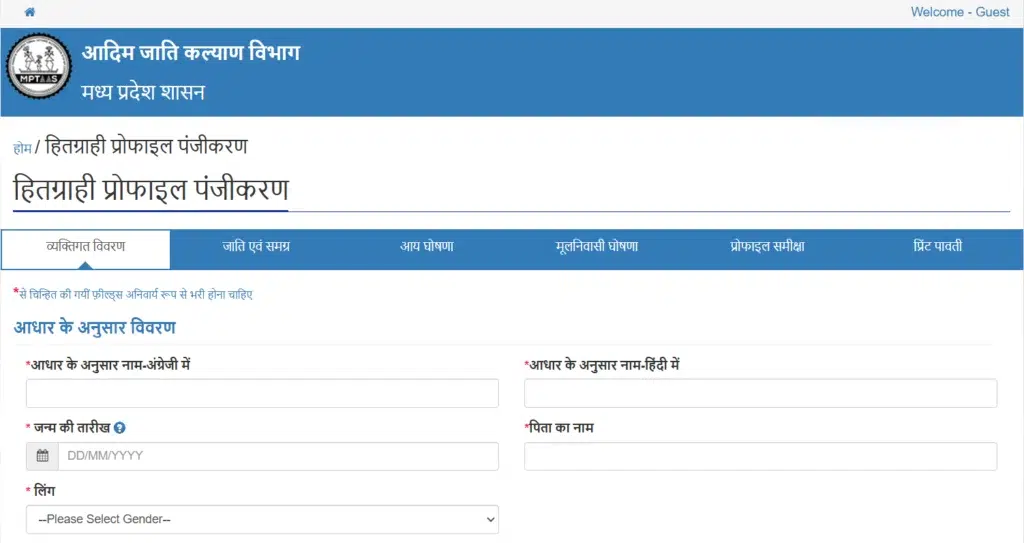

PM-WANI Scheme Explained in Simple Words (2025 Update)
- Sudhir Singh
- October 24, 2025
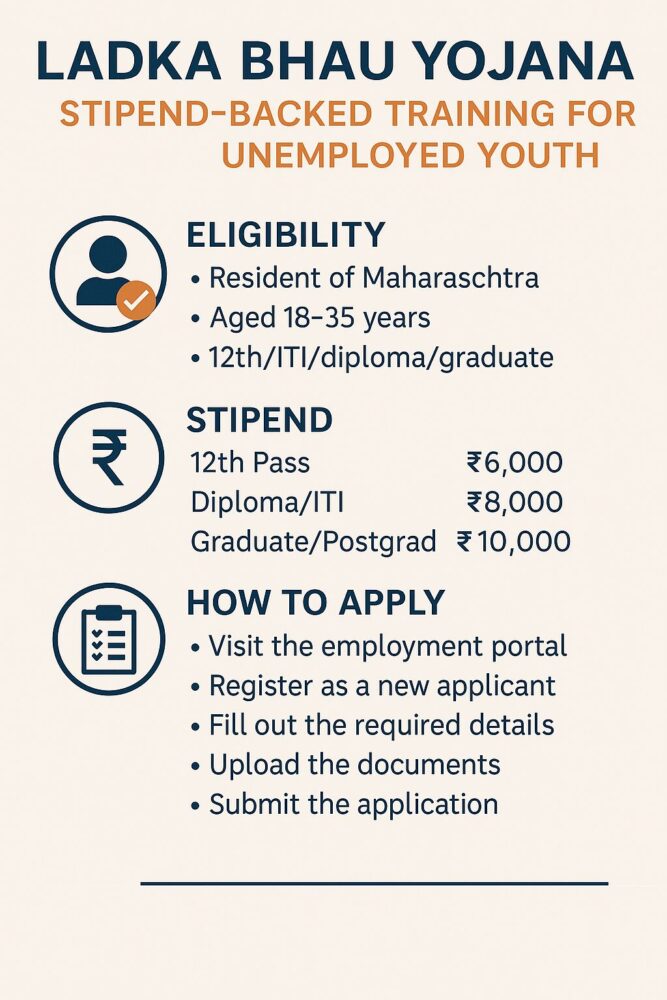
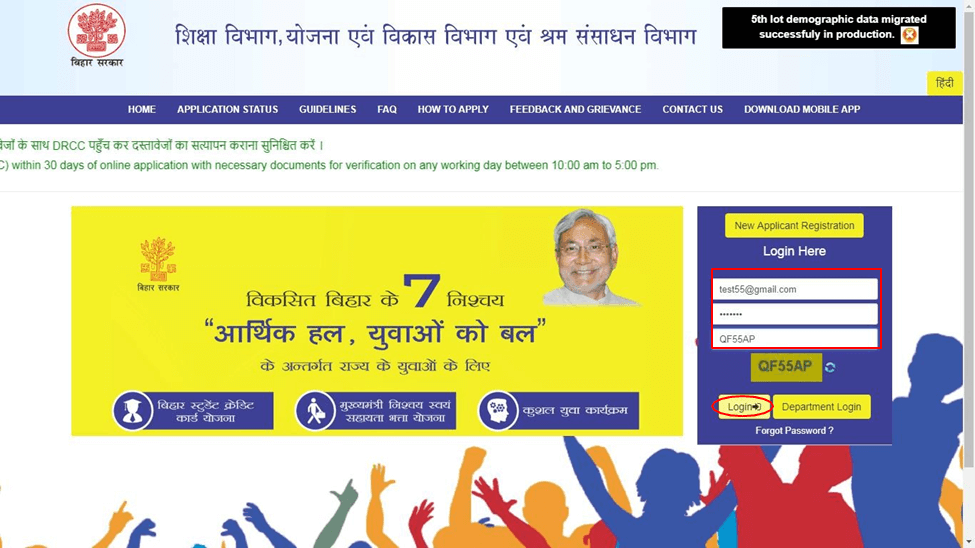


Indira Gandhi Smartphone Yojana: A Comprehensive Overview
- Sudhir Singh
- October 21, 2025

Karnataka Gruha Lakshmi Scheme – Complete Info
- Sudhir Singh
- October 21, 2025
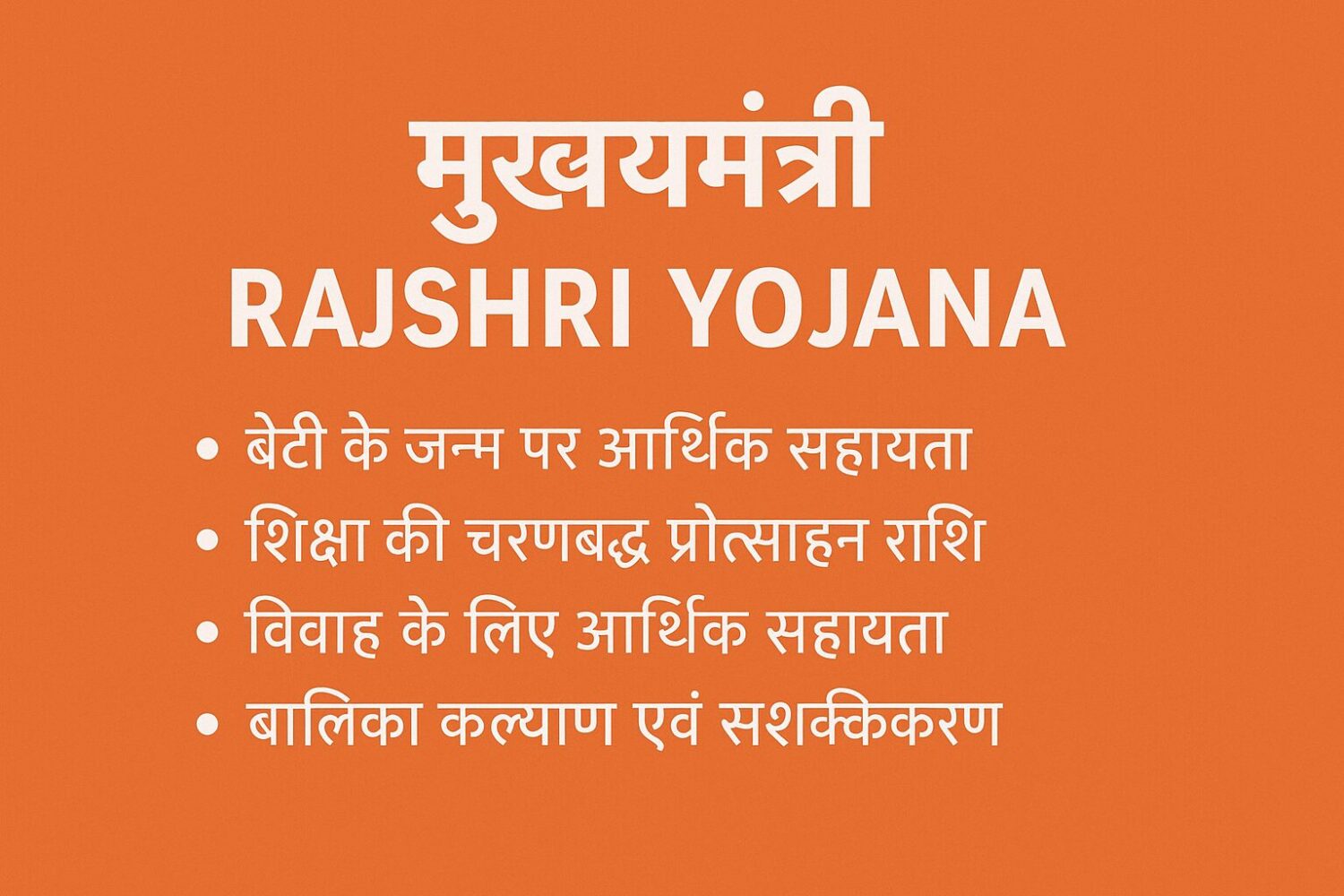

Kanya Sumangala Yojana Grant of ₹25000
- Sudhir Singh
- October 4, 2025

Maiya Samman Yojana : Rs 2,500 for Women
- Sudhir Singh
- October 4, 2025

Swasthya Sathi Health Insurance Scheme Complete Guide
- Sudhir Singh
- October 4, 2025
Banglar Shiksha Portal Complete Guide 2025
- Sudhir Singh
- October 4, 2025

Free Laptop Yojana across Indian States – Fact Checks
- Sudhir Singh
- October 4, 2025
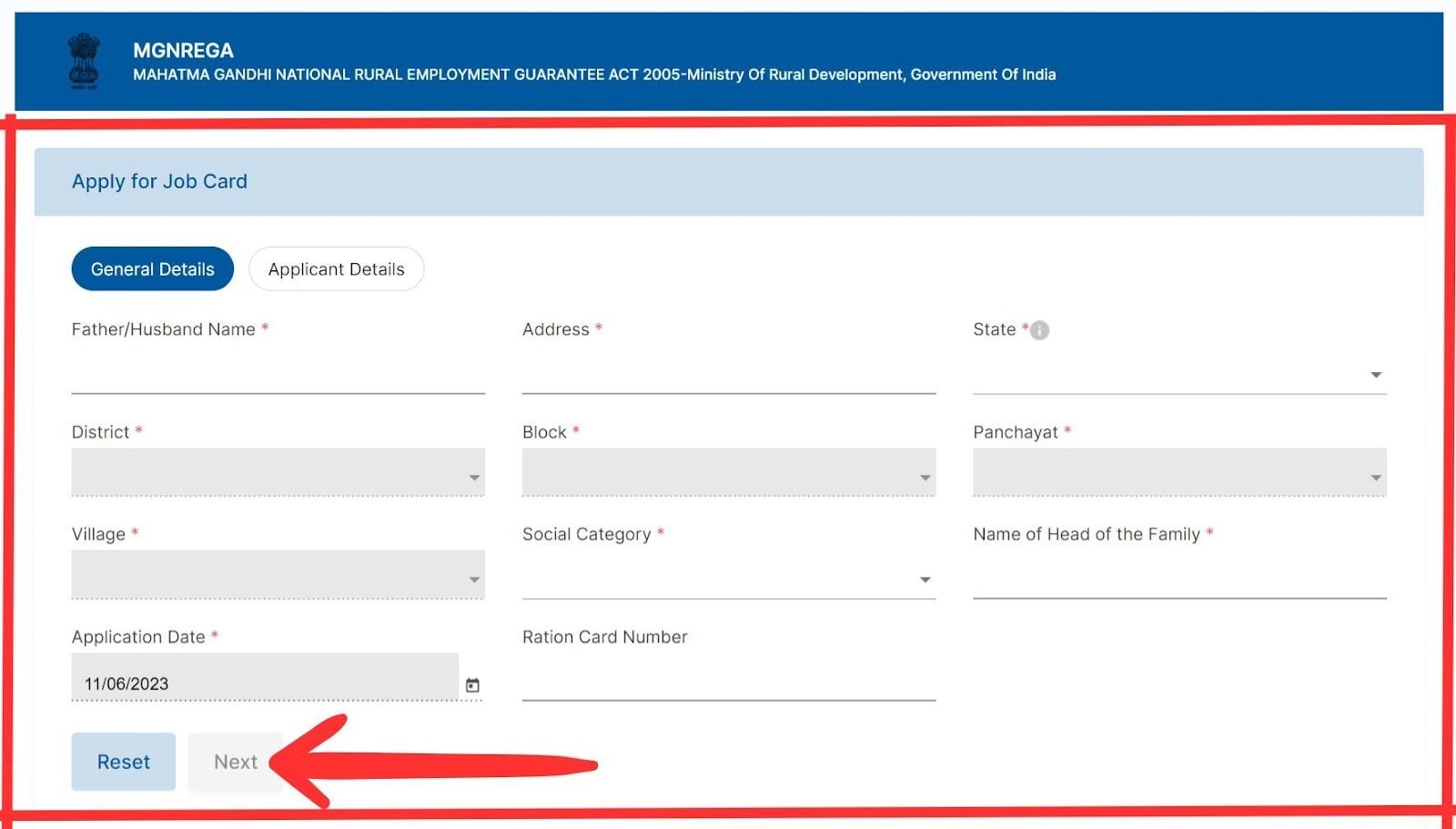
NREGA / MGNREGA: A Comprehensive & Practical Guide
- Sudhir Singh
- September 27, 2025
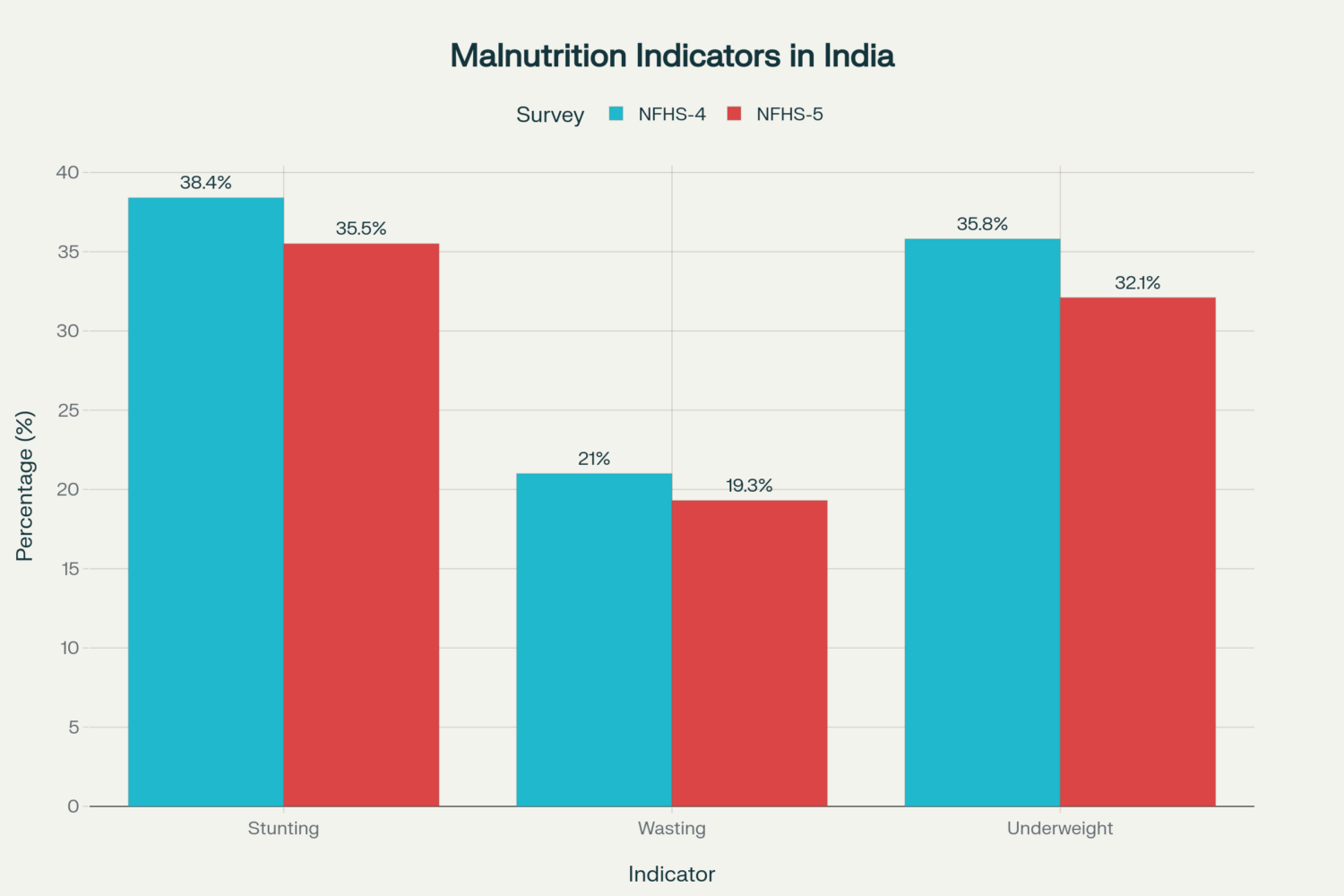

Mukhyamantri Seekho Kamao Yojana (MMSKY): 10000 Rs. Monthy Stipened
- Sudhir Singh
- September 22, 2025



Swami Vivekananda Merit-cum-Means Scholarship: SVMCM Scholarship
- Sudhir Singh
- September 14, 2025


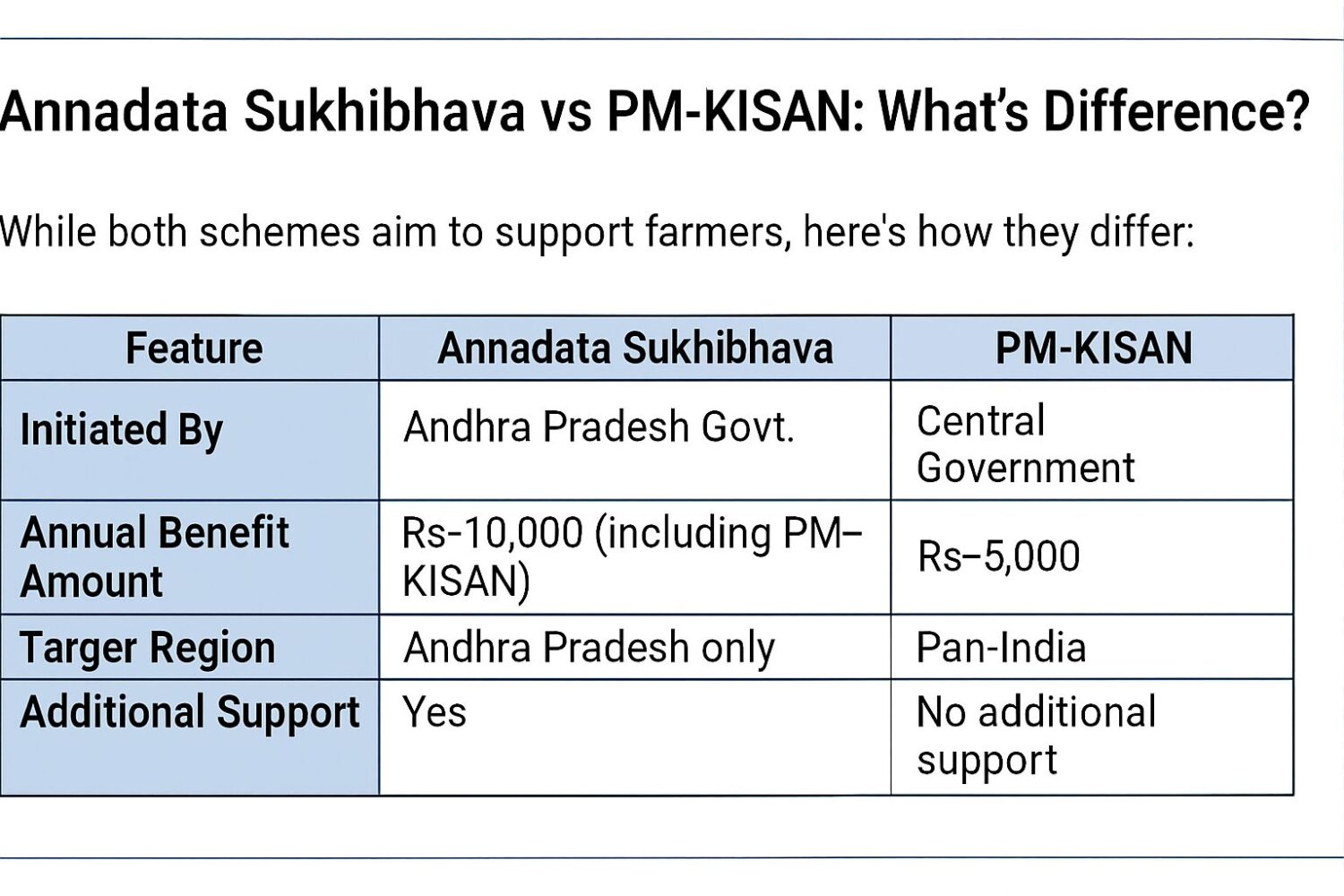
Annadata Sukhibhava Scheme 2025 Complete Guide
- Rajesh Tanwar
- September 6, 2025
 Rajesh Tanwar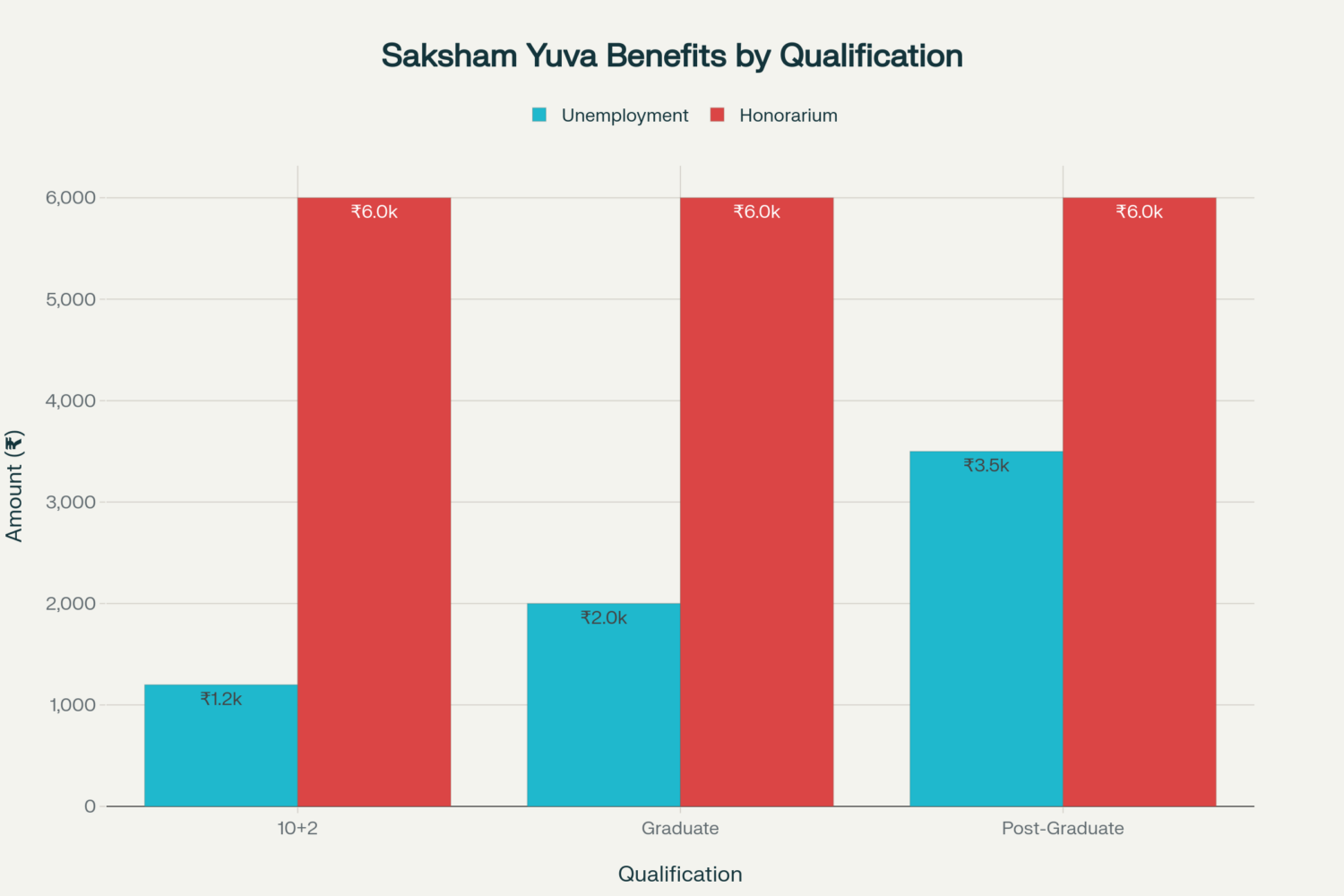
Saksham Yuva Yojana – Scheme Benefits, Feature & How to Apply?
- Sudhir Singh
- September 2, 2025
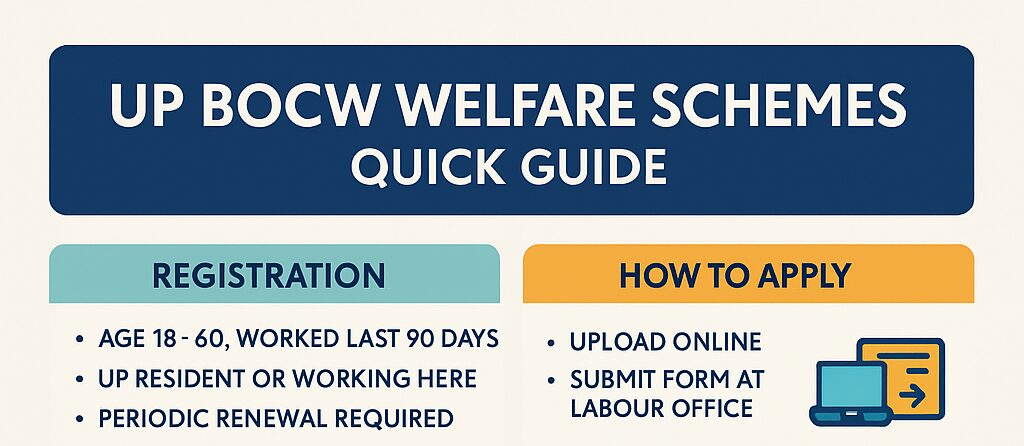
UP BOCW Schemes: Complete, Practical Quickest Guide
- Sudhir Singh
- September 1, 2025

Swachh Bharat Mission (SBM) – Swachh Smart Toilets
- Sudhir Singh
- August 31, 2025

GST Registration – Ultimate Step by Step Guide
- Sudhir Singh
- June 14, 2025

![12 Government Schemes for Urban Poor Must Know About [2025 Guide]](https://indiansouls.in/wp-content/uploads/2025/05/image-1.jpg "12 Government Schemes for Urban Poor Must Know About [2025 Guide] - Indian Souls")

Government Schemes for Rural Employment
- Sudhir Singh
- June 3, 2025