 Sudhir Singh
Updated on June 18, 2026
The Right to Information Act 2005 gives every Indian citizen the right to ask any public authority for information about its work. Governments, ministries, courts, police stations, public sector banks, universities, and municipal bodies all come under the RTI Act. If they have the information, they must provide it within 30 days.
You no longer need to visit a government office to file an RTI. The online portal at rtionline.gov.in handles central government RTIs completely online, from application to payment to receiving the reply.
What Can You Ask Under RTI?
You can ask for any information that a public authority holds in its records. Common uses include:
- Status of a pending government application (passport, ration card, pension, scholarship).
- Copy of an inspection report, survey, or committee decision.
- Details of government spending in your area (road construction, scheme funds).
- Action taken on a complaint you filed with a government body.
- Recruitment rules and selection criteria used in a government job posting.
- Copies of file notings on a decision that affected you.
What You Cannot Ask Under RTI
Section 8 of the RTI Act lists exemptions. You cannot demand:
- Information that affects national security or defence operations.
- Cabinet papers and deliberations before a final decision is taken.
- Personal information about a third party that has no public interest angle.
- Information that is commercially confidential and held in trust.
- Records of investigative agencies like CBI during an ongoing investigation.
If the authority claims an exemption, you can challenge it in a first appeal and then a second appeal to the Central or State Information Commission.
RTI Fee: How Much Does It Cost?
- Filing fee for central government RTIs: Rs. 10.
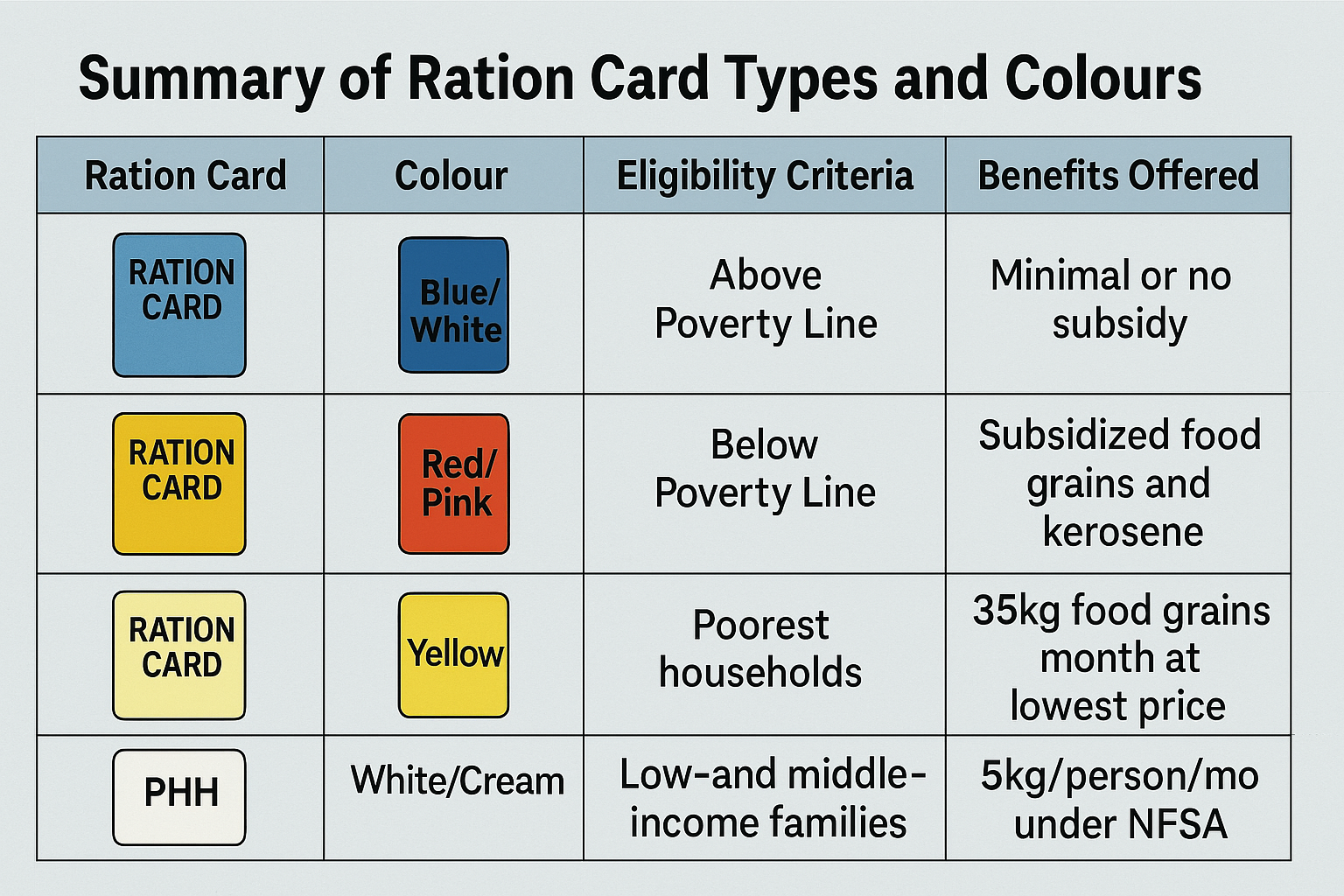
- BPL (Below Poverty Line) applicants are fully exempt from fee payment. Attach a copy of your BPL ration card with the application.
- If the authority needs to provide photocopy of documents, an additional Rs. 2 per page is charged.
- For state government RTIs, the fee is set by each state and typically ranges from Rs. 10 to Rs. 50.
Step-by-Step: File RTI Online at rtionline.gov.in
- Go to rtionline.gov.in.
- Click “Submit Request” on the home page.
- Read the guidelines and click “Submit” to proceed.
- Select the Ministry or Department you want to file against from the dropdown. If you are not sure which department handles your issue, select the nodal Ministry. For example, for passport-related RTIs, select Ministry of External Affairs.
- Enter your personal details: name, address, email, and phone number. You do not need to explain why you want the information. Reason is optional.
- Write your RTI request in the text box. Be specific. Ask for exact documents, dates, or figures rather than vague questions.
- Upload any supporting document if relevant (optional, PDF or JPEG).
- Click “Make Payment”. Pay Rs. 10 via net banking, credit card, debit card, or UPI.
- After payment, you receive a Registration Number. Save this for tracking.
How to Write a Good RTI Application
The quality of your question determines the quality of the answer. Follow these tips:
- Ask for specific documents or records rather than explanations. “Please provide a certified copy of the inspection report dated [date] for [project]” works better than “Please explain why the road is bad”.
- Limit each application to one subject. Multiple unrelated questions in one application slow down processing.
- Mention the time period you are asking about: “for the financial year 2024-25”.
- If you know the exact file number or reference number, include it.
- Keep the language simple and direct. You do not need legal language.
Timeline and What Happens Next
| Stage | Timeline |
|---|---|
| Normal RTI response | Within 30 days of filing. |
| RTI involving life or personal liberty | Within 48 hours. |
| RTI transferred to another department | 5 days for transfer, then 30 days from receipt at new department. |
| First appeal (if unsatisfied) | File within 30 days of receiving reply. Decision within 30 days. |
| Second appeal to CIC/SIC | File within 90 days of first appeal decision. |
How to File a First Appeal Online
If the reply is unsatisfactory, incomplete, or not received, file a first appeal to the First Appellate Authority (FAA) of the same department.
- Go to rtionline.gov.in and click “First Appeal”.
- Enter your registration number and other details.
- State clearly why you are appealing: reply not received, information incomplete, wrongly denied, etc.
- No fee is charged for the first appeal.
- Submit and note your appeal registration number.
How to Track Your RTI Status
- Visit rtionline.gov.in and click “View Status”.
- Enter your registration number.
- The status shows whether your application is pending, transferred, replied, or closed.
You also receive email updates at each stage to your registered email address.
Frequently Asked Questions
Can I file RTI against a private company?
Generally no. RTI applies only to public authorities (government bodies and organisations substantially funded by the government). However, if a private company has received significant government funding or operates under a government licence, you can ask the concerned ministry about its dealings with that company.
What if the authority says it does not have the information?
They must still reply within 30 days stating they do not hold the information and direct you to the correct authority if possible. If you believe they do hold the information and are lying, file a first appeal citing this specific ground.
Can I file RTI in Hindi or my regional language?
Yes. You can file in Hindi or English for central government RTIs. For state government RTIs, the official language of that state is also accepted. However, the reply is usually given in the same language as your application.
📩 If you notice any incorrect data in this guide or wish to share additional information, please write to us at info@indiansouls.in.
Over 2000+ Government Schemes & Policies Simplified
Indian Souls is your guide to government Schemes, scholarships, pensions, subsidies, job exams, and more. We break complex schemes into easy steps, helping every citizen take full advantage of the opportunities available.
No jargon. No confusion. Just useful info that helps indian citizen.

 Sudhir Singh