
 Sudhir Singh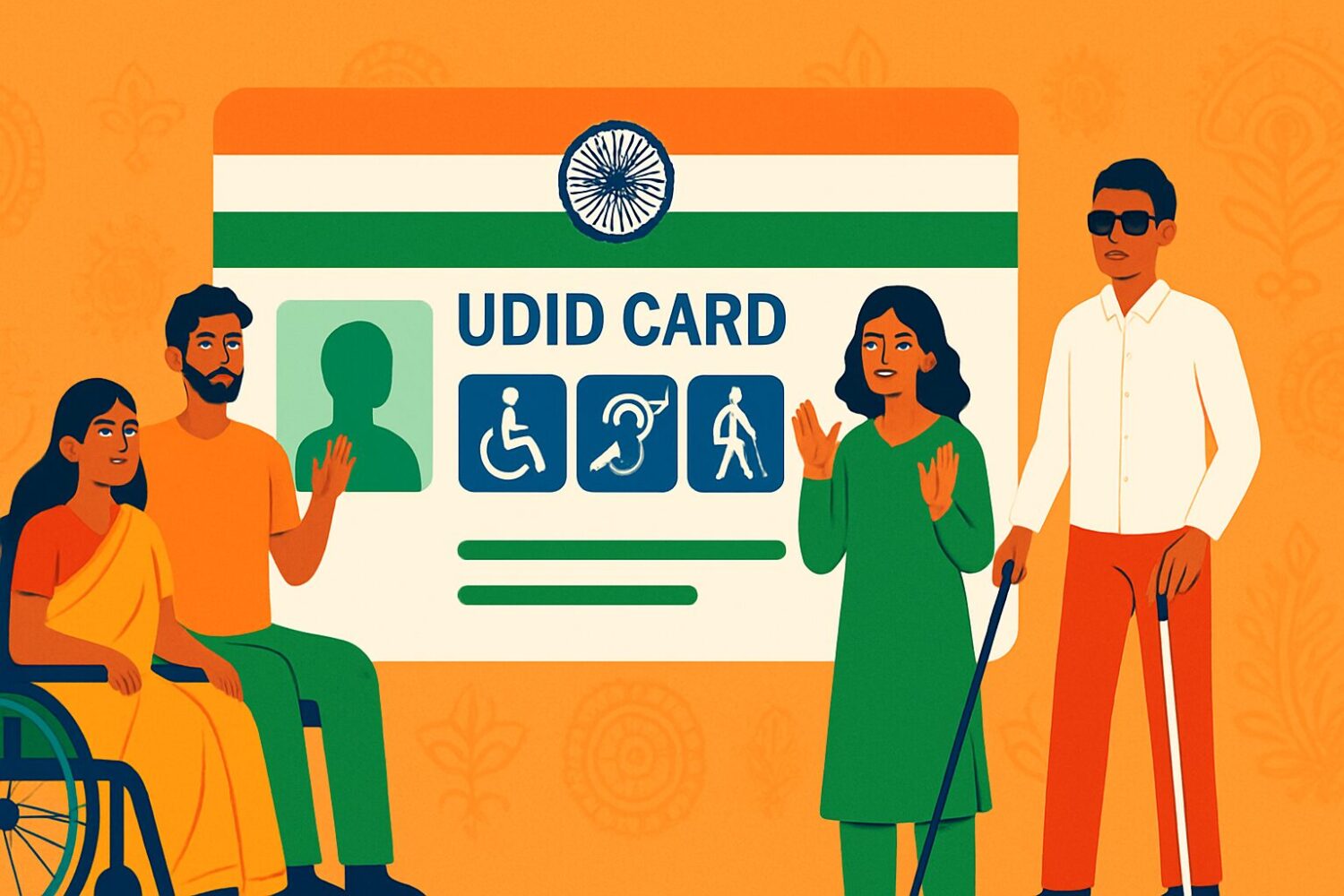
Updated on April 19, 2026
Introduction to UDID Card
The Unique Disability ID (UDID) card is a special identification card created by the Government of India for people with disabilities. Launched by the Department of Empowerment of Persons with Disabilities under the Ministry of Social Justice & Empowerment, the UDID card is a single, universal document that makes it much easier for persons with disabilities to access government benefits and services across the country.
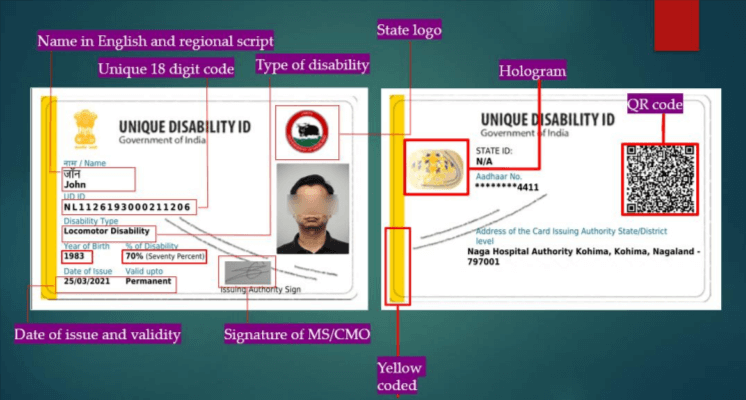
With the UDID card, individuals no longer need to carry multiple documents to prove their disability status. The card contains important details like the holder’s name, birth year, gender, photograph, type and percentage of disability, and a unique 18-digit identification number. It is colour-coded to indicate the extent of disability, making verification simple and transparent.
The main goal of the UDID project is to create a national database of persons with disabilities, ensuring efficient delivery of benefits and preventing duplication of records. The card is accepted throughout India and can be used to access a wide range of government schemes, travel concessions, and support services designed for people with disabilities.
Any individual can apply online or through designated government agencies, and once issued, the card is valid everywhere in the country. This initiative helps build an inclusive environment and makes life easier for millions of people with disabilities in India.
Latest advancment and update around UDID Cards
- 456 Districts in 26 States/UTs started generating e-UDID cards.
- Government slide deck: Target to generate 30 million UDID cards across 36 States/UTs; 1.07 million e-UDID cards generated; 0.5 million UDID cards dispatched; 4.6 million records migrated;
- Press Information Bureau update (mid-2024): Total UDID cards generated crossed 1.09 crore (10.955 million), indicating significant growth since the older slide.
- Loksabha reply (Aug 2025): Year-wise and State/UT-wise UDID cards issued as of 13.08.2025; details on hospitals integrated; awareness drives; platform integrations; UDID made mandatory from Sept 2024 for DEPwD schemes/services.
- Media triangulation (2023): Coverage noting 94 lakh UDID cards issued by mid-2023, useful to establish issuance trend over time.
Source: SC Disabilities
UDID Project: Objective
- To create a national database for persons with disabilities (PwDs) by identifying and issuing a disability ID card to every person with disability through a web portal.
- Issue a certificate not only to those who are still uncovered but also to persons with new types of disabilities under the enactment of the RPwD Act 2016.
- Encourage transparency, efficiency and ease of delivering government benefits to PwDs about scholarships, skill training, inclusive education, rehabilitation, pensions, and railway concessions to PwDs across the country.
- Tracking of physical and financial progress of benefit delivery at all levels of the hierarchy of Implementation, from village level, block level, district level, state level and national level.
UDID Number Code Logic

- 02 Characters for State Code (as used for vehicle registration, like HR, UK, DL, etc.).
- 03 Digits for District Code (2 digits for district as per census & 1 for CMO).
- 02 Digits for Disability Type.
- 04 Digit for Year of Birth.
- 06 Digit for Running Serial No.
- 01 Digit for Check Sum.
But what exactly is UDID, how do you get it, and why is it important? Let’s break it all down.
What is the Swavlamban scheme or UDID Card?
The Unique Disability ID (UDID), also known as the Swavlamban Card, is a government-issued digital identity card for persons with disabilities. It’s part of an initiative by the Department of Empowerment of Persons with Disabilities (DEPwD) under the Ministry of Social Justice & Empowerment.
Why is the UDID Card important?
Before the UDID Portal was launched, people with disabilities had to carry multiple documents to prove their disability status. Now, with the UDID card, all disability-related details are stored in one digital card that is valid nationwide.
Key Features of the UDID Card
- One card for all disability-related benefits.
- Digitally stored data for easy access.
- Eliminates the need for multiple disability certificates.
- Track UDID card status online anytime.
- Accepted across all states in India.
Who is Eligible for a UDID Card?
If you have a certified disability of 40% or more, you are eligible for a UDID card. The disability should be recognized under the Rights of Persons with Disabilities Act, 2016.
Who Can Apply?
- Any person with a disability (temporary or permanent).
- Individuals with multiple disabilities.
- People who already have a government-issued disability certificate.
What Types of Disabilities Are Covered Under UDID?
The Rights of Persons with Disabilities Act, 2016, recognizes 21 categories of disabilities for UDID eligibility. Here are some of them:
| Disability Type | Examples |
|---|---|
| Blindness & Low Vision | Complete blindness, visual impairment |
| Hearing Impairment | Partial or total hearing loss |
| Intellectual Disability | Autism, Down Syndrome |
| Mental Illness | Schizophrenia, Bipolar Disorder |
| Locomotor Disability | Amputation, Cerebral Palsy |
| Blood Disorders | Thalassemia, Hemophilia |
| Neurological Disorders | Parkinson’s Disease, Multiple Sclerosis |
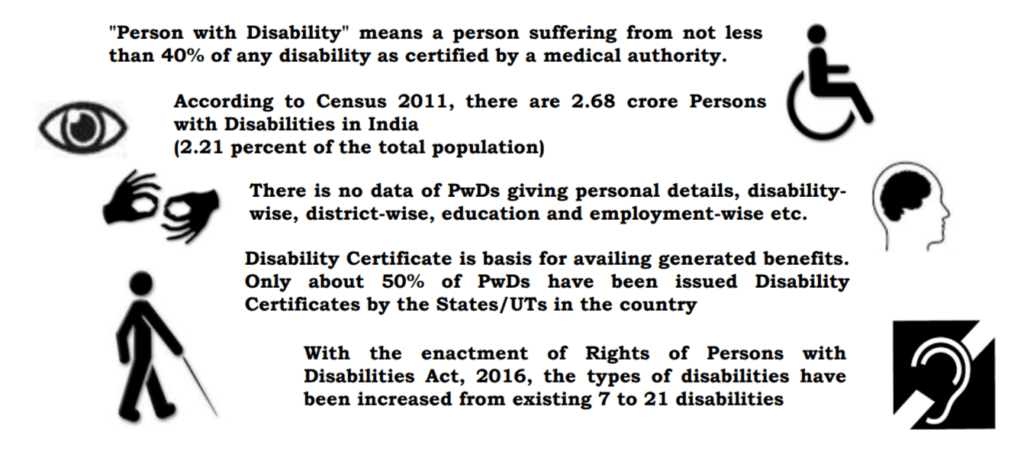
The Rights of Persons with Disabilities Act, 2016, recognizes 21 disability categories that are eligible for the UDID card. These disabilities are classified based on their impact on an individual’s physical, sensory, intellectual, and mental health.
Here is the complete list of disabilities covered under the UDID scheme:
1. Visual Disabilities
These disabilities affect a person’s ability to see clearly, making daily tasks difficult without assistance.
- Blindness – Total vision loss in both eyes, significantly limiting movement and independence.
- Low Vision – Partial vision impairment where corrective measures (glasses, surgery) cannot restore full vision.
Support Provided
- Assistive technology like screen readers, Braille devices.
- Educational support for accessible learning materials.
- Government concessions on travel and special employment benefits.
2. Hearing & Speech Disabilities
These conditions impact a person’s ability to hear and communicate effectively.
- Hearing Impairment (Deaf & Hard of Hearing) – Partial or complete hearing loss, affecting speech perception.
- Speech and Language Disability – Difficulty in communication due to neurological or physical impairments such as stammering, dysarthria, or mutism.
Support Provided
- Free hearing aids and cochlear implants for children.
- Special education programs with sign language training.
- Employment reservations in the government and private sectors.
3. Locomotor & Musculoskeletal Disabilities
These disabilities affect mobility due to physical impairments in bones, joints, muscles, or the nervous system.
- Locomotor Disability – Inability to move independently due to congenital or acquired impairments.
- Dwarfism – A genetic or medical condition causing short stature and physical limitations.
- Muscular Dystrophy – Progressive weakening of muscles, leading to severe mobility restrictions.
- Cerebral Palsy – A neurological condition affecting muscle control, balance, and posture.
Support Provided
- Free mobility aids like wheelchairs, crutches, and artificial limbs.
- Accessibility provisions in public places (ramps, reserved seating).
- Rehabilitation and physiotherapy assistance.
4. Intellectual & Mental Disabilities
These disabilities affect cognitive function, learning abilities, and social behaviour.
- Intellectual Disability – Limitations in intellectual functioning and adaptive behaviour, affecting problem-solving and social skills.
- Autism Spectrum Disorder (ASD) – A Developmental disorder affecting social interaction, communication, and repetitive behaviours.
- Mental Illness – Psychiatric conditions such as schizophrenia, bipolar disorder, and chronic depression.
- Specific Learning Disabilities – Disorders like dyslexia and dysgraphia that impact reading, writing, or math skills.
Support Provided
- Special schools with trained educators for individualized learning.
- Financial aid for therapy and assistive tools.
- Job reservations and workplace accommodations.
5. Neurological & Blood Disorders
These conditions affect the brain, nervous system, or blood function, leading to physical and cognitive challenges.
- Chronic Neurological Conditions – Disorders like epilepsy, brain injuries, and Alzheimer’s disease.
- Multiple Sclerosis – A degenerative condition that affects the brain and spinal cord, leading to coordination and balance issues.
- Thalassemia – A genetic blood disorder that reduces hemoglobin levels, leading to anemia.
- Hemophilia – A rare disorder where the blood does not clot normally, leading to excessive bleeding.
- Sickle Cell Disease – A genetic condition where red blood cells become rigid and cause blockages, leading to pain and organ damage.
Support Provided
- Free blood transfusions in government hospitals for Thalassemia patients.
- Disability pensions for those unable to work due to neurological conditions.
- Concessions on medical treatments and hospital admissions.
6. Multiple & Acquired Disabilities
These disabilities result from a combination of two or more impairments, affecting multiple aspects of daily life.
- Leprosy Cured Persons – Individuals who have recovered from leprosy but have permanent physical deformities.
- Multiple Disabilities Including Deafblindness – A Combination of two or more disabilities, such as vision, hearing, and mobility impairments.
- Acid Attack Victim – Individuals suffering from severe facial or bodily disfigurement due to acid attacks.
- Parkinson’s Disease – A progressive nervous system disorder that affects movement, speech, and muscle coordination.
Support Provided
- Rehabilitation and reconstructive surgeries for acid attack victims.
- Disability pensions for those with severe multiple disabilities.
- Reservations in government schemes for medical assistance and employment.
The recognition of these 21 disabilities under the UDID scheme ensures that individuals with disabilities receive equal rights, support, and accessibility. With the UDID card, beneficiaries can access government schemes, medical aid, assistive technology, and job opportunities without the need for multiple documents.
For more information, visit the UDID Portal and apply for your card today.
What Documents Are Needed for unique disability ID Registration?
To apply for a unique disability ID card, you will need:
Personal Documents
- Aadhaar Card (if available).
- Address Proof (Voter ID, Ration Card, Utility Bill).
- Passport-size Photograph.
Medical Documents
- Disability Certificate issued by a government hospital.
- Recent Medical Reports (if required).
Additional Documents (if applicable)
- Educational Certificates (for job reservations).
- Income Certificate (for financial aid eligibility).
How to Apply for a Swavlamban or UDID Card Online?
Steps to get the unique disability ID certificate (PWD/Guardian):
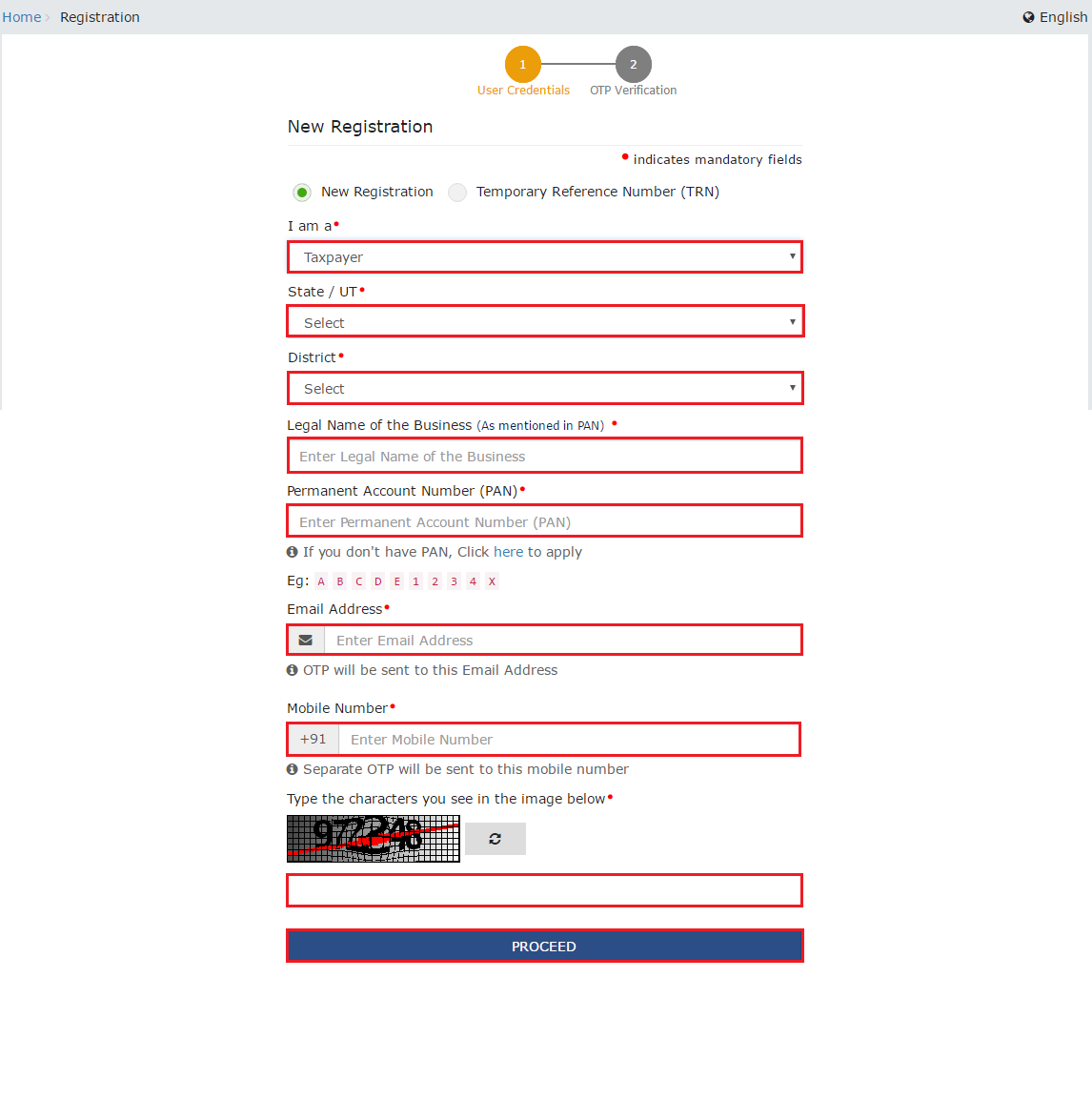
- The person can register online and apply for the Unique Disability Identity Card/Disability
Certificate through the following link: http://www.swavlambancard.gov.in/pwd/application - Fill in the information required for the card and press ‘Next’.
- Follow the instructions provided on the next screen.
- Apply.
- Print the application form and receipt.
- In the final receipt, mention the name of the specialist, name of the hospital, hospital address
and type of disability. - The parent has to visit the concerned hospital and meet the Head Clerk Department.
- The Head Clerk Department will verify the application and guide the parent to the OPD.
- Parents/PWD/Guardians have to visit the given OPD for the disability assessment.
- After the assessment is complete, the Unique Disability Identity Card will be generated.
The process of getting the disability certificate will take 2 months
If you don’t have a disability certificate, you can still apply. The system allows new medical assessments to be scheduled through the portal.
How to Download a UDID Card?
Once your UDID application is approved, you can download a digital copy by following these steps:
- Visit the UDID Portal.
- Click on “Download e-UDID Card.”
- Enter your Application ID and OTP.
- Click on “Download PDF” and print your UDID card.
How to Check Your UDID Card Status?
You can check the UDID Card Status online at www.swavlambancard.gov.in by using your UDID number or Aadhaar number. But you can track your UDID card status easily. Steps to Check Your UDID Card Status:
- Go to the UDID Portal (www.swavlambancard.gov.in).
- Click on “Track Your Application.”
- Enter your Application ID or Mobile Number.
- View real-time updates on approval, dispatch, or rejection status.
What If Your Disability or Location Changes?
If Your Disability Percentage Changes
If your disability percentage increases or decreases, you need to:
- Visit a government hospital for reassessment.
- Apply for an updated UDID card.
- Track your application status online.
If You Move to Another State
If a UDID holder shifts to a different state, they should:
- Visit the nearest Social Welfare Department Office.
- Apply for a state transfer of UDID details.
- Update their address proof and medical records.
The UDID is valid across all states in India, but local government schemes may require re-registration.
Frequently Asked Questions About UDID
Is UDID mandatory?
No, but it is highly recommended as it simplifies access to government schemes.
Does the UDID replace the disability certificate?
Yes. The UDID serves as an e-disability certificate, eliminating the need for paper-based certificates.
Can I use my UDID card for travel benefits?
Yes. PwDs with a UDID card can avail of railway and bus fare concessions in many states.
Can I check my UDID card status via mobile?
Yes. Just log in to the UDID portal from any device.
How much time take to approve UDID cards?
The approval process usually takes 30-45 days.
Final Thoughts
The UDID card is a step towards inclusivity and empowerment for persons with disabilities. With digital access, nationwide validity, and simplified verification, it is helping millions live with dignity and ease.
If you or someone you know hasn’t applied for a UDID card yet, now is the time. Head over to the UDID online portal, register, and unlock the benefits that come with it.
📩 If you notice any incorrect data in this guide or wish to share additional information, please write to us at info@indiansouls.in.
Over 2000+ Government Schemes & Policies Simplified
Indian Souls is your guide to government Schemes, scholarships, pensions, subsidies, job exams, and more. We break complex schemes into easy steps, helping every citizen take full advantage of the opportunities available.
No jargon. No confusion. Just useful info that helps indian citizen.






 Rajesh Tanwar












![12 Government Schemes for Urban Poor Must Know About [2025 Guide]](https://indiansouls.in/wp-content/uploads/2025/05/image-1.jpg "12 Government Schemes for Urban Poor Must Know About [2025 Guide] - Indian Souls")




)


%20–%20A%20Complete%20Guide)


)

)
%20–%202025%20Complete%20Guide:%20Latest%20Updates,%20How%20It%20Works%20&%20Who%20Qualifies)
,%20Eligibility%20&%20Status%20Check)


:%2010000%20Rs.%20Monthy%20Stipened)


