
 Sudhir Singh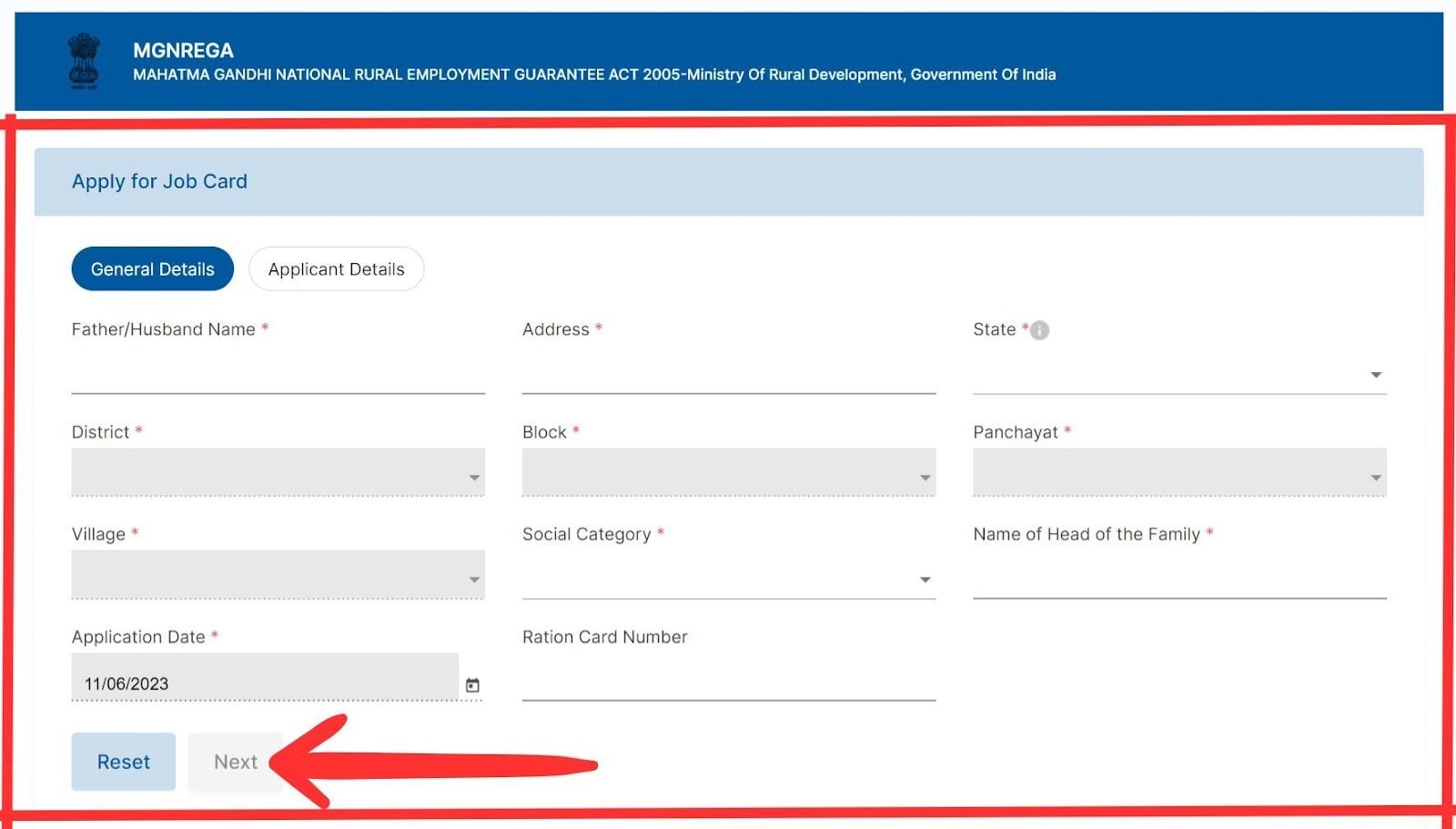
Updated on September 27, 2025
“I’ve visited dozens of panchayats and talked with field staff — the gaps are in implementation, not in understanding the law.”
What is NREGA (MGNREGA)?
At its core, NREGA is a guarantee of work, not just a scheme. It legally binds the government to provide rural households with employment when they demand it.
- The Mahatma Gandhi National Rural Employment Guarantee Act (MGNREGA) ensures at least 100 days of unskilled wage work per rural household per year, on demand.
- It was notified in 2005 and rolled out in 2006, and is a rights-based, demand-driven scheme.
- Key innovations over earlier work programs:
• Legal entitlement — the worker can demand work
• Compensation if wages are delayed
• Decentralized planning — Gram Sabha / Panchayat involvement - Over the years, my visits across states have shown that the success of NREGA often depends on whether local planning, timely fund flow, and transparency (material, muster rolls) are strong.
Latest Updates & Policy Changes in NREGA (2025)
- The allocation for MGNREGA in FY 2025–26 has been set at ₹86,000 crore, the highest ever since the scheme’s inception. Press Information Bureau
- As of July 2025, about ₹44,323 crore has already been released to states for wages, materials, and administrative costs — roughly half the total allocation. Business Standard
- A new mandate has been introduced: a fixed portion of funds must be used for water-conservation works. In “over-exploited” blocks, 65% will go to water works; in “semi-critical” blocks, 40%; and even in non-scarce blocks, at least 30% must be earmarked. Press Information Bureau
- The Centre has asked states to inquire into “high-cost works” under NREGA, asking for technical and administrative audits to check whether some works are being overpriced or inflated. The Indian Express
NREGA Objectives & Guiding Principles
NREGA was built around a few guiding objectives. Each of these translates into practical outcomes that I’ve personally observed in villages.
| Objective | What It Means in Practice |
|---|---|
| Livelihood security | Works like water harvesting, soil conservation, roads, and ponds |
| Asset creation | Muster rolls, social audits, and delayed‐wage compensation |
| Social inclusion | Targets SC/ST, women, marginalized households |
| Decentralised planning | Gram Sabha discusses what the village needs |
| Transparency & accountability | Muster rolls, social audits, delayed‐wage compensation |
In my field visits, often the “asset creation” part is weak — many works are low value. The trick is combining quality with quantity.
NREGA Eligibility, Registration & Job Card
The first step for any rural household is knowing whether they’re eligible and what they need to apply. Most confusion happens here, especially when documents are missing.
Who is eligible?
- Adult rural household members (18+) willing to do unskilled manual labour.
- No stringent income ceiling — the idea is demand‐driven.
- You must belong to a rural area (i.e., village/panchayat jurisdiction).
Documents & Requirements
From experience, local officials will typically ask for:
- Identity proof (Aadhaar, voter ID, etc.)
- Address proof (ration card, electricity bill, etc.)
- Recent passport-size photos (sometimes optional)
- Signature or thumb impression
It helps to carry copies and originals — in remote panchayats, bureaucratic delays happen if anything is missing.
How to apply & get a Job Card
- Go to the Gram Panchayat office — many panchayats still accept offline forms.
- Use digital channels — via UMANG app/portal, or through NREGA digital portal.
- Apply — local staff should issue a “receipt”
- Processing timeframe — typically 15 days in many states, but sometimes longer
- Job Card issuance — once approved, the household gets a job card listing adult members
Tip from the ground: insist on a written acknowledgement when you apply, so you can follow up if delayed.
Demand, Allotment & Work Deployment
Demand for Work
- A household files a “demand for work” (R1 demand entry) at the Panchayat.
- The Panchayat is legally required to record it and respond within 15 days (i.e. allot work).
- If not provide work within 15 days, you become eligible for unemployment allowance (rules vary by state).
Allotment & Muster Rolls
- Once demand is accepted, work is allotted via a work plan by the panchayat.
- Muster rolls are maintained and signed daily (attendance).
- Beneficiaries must see their name and the number of days on the muster roll.
- In my visits, I’ve seen many wage‐seekers not getting to see muster rolls — a red flag for transparency.
Payment & Delay Compensation
- Wages must be credited within 15 days of work completion (state rules may differ)
- If there’s a delay, workers are legally eligible for compensation for delayed payment.
- States publish wage rates annually, and these are visible in MIS reports.
- In 2025-26, for example, Uttar Pradesh’s wage rate is ₹252 per day.
NREGA Job Card Registration Online
If you are eligible for NREGA but haven’t applied yet, the first step is to register for a Job Card. Nowadays, the process is simple through the UMANG app or web portal.
Steps to Apply Online (via UMANG)
- Open the UMANG portal or download the UMANG app.
- Sign up using your mobile number and verify it with OTP.
- On the homepage, search for MGNREGA in the search bar.
- Select the MGNREGA service option that appears.
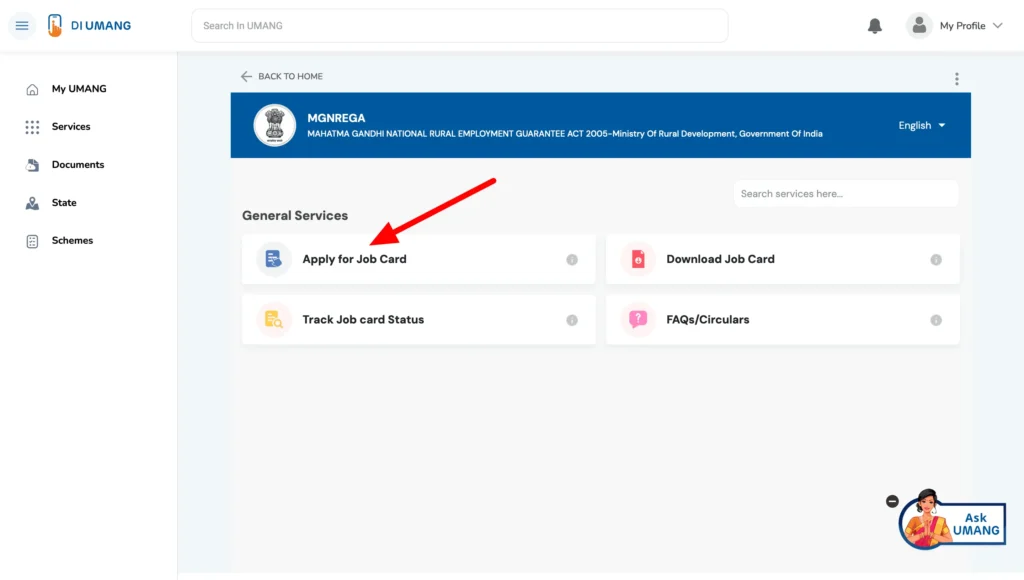
- Choose Apply for Job Card from the service menu.
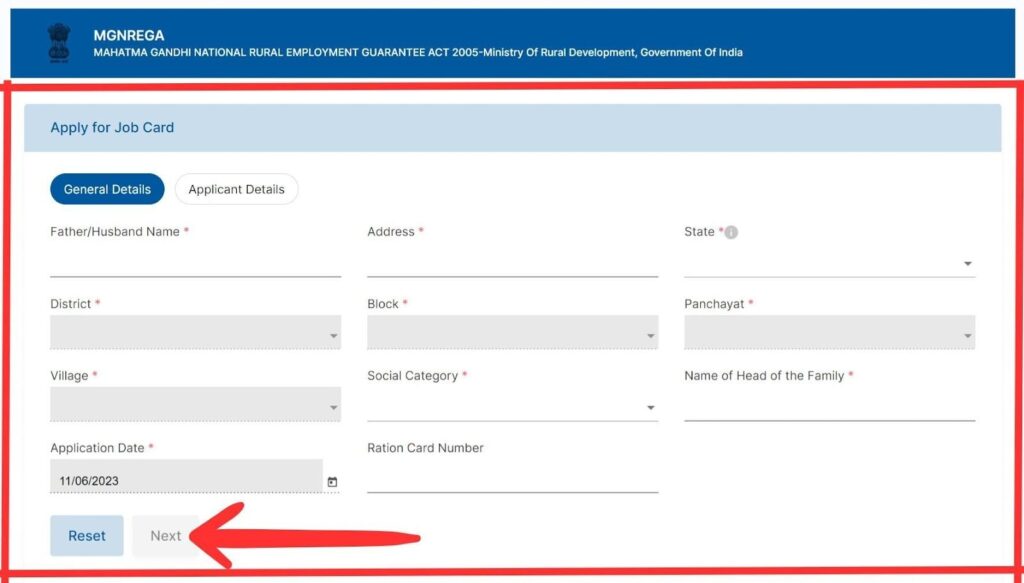
- Fill in the required details:
- General details (district, block, gram panchayat)
- Applicant details (name, age, gender, Aadhaar, household members)
- Submit your application online.
💡 On the same UMANG portal, you can also:
- Download Job Card (after approval)
- Track Job Card Status (see if your application is pending, approved, or rejected)
NREGA MIS Reports
Once you have a job card, you may want to see details of work demand, wages, and assets created in your area. For this, NREGA provides an online MIS (Management Information System).
Steps to Check MIS Report
- Visit the official NREGA website.
- On the homepage, click on the Reports section.
- Enter the captcha code when prompted.
- Select your State and Financial Year from the dropdown.
- Click to view the MIS dashboard.
What You’ll Find in MIS Reports
The MIS page offers 36 different report categories. Some of the most useful are:
- Job Card / Employment Register
- Household & Individual Demand Reports
- Work Allocation and Muster Roll Reports
- Payment Status & Delayed Wage Compensation
- Expenditure, Fund Transfer & Utilization
- Asset Creation & Completed Works
These reports are updated regularly, and I have often used them in the field to cross-check what the panchayat claims versus what’s officially recorded.
State-wise Wage Rates (FY 2025-26) — Quick Reference
| State / UT | Daily Wage Rate (unskilled work) |
|---|---|
| Andhra Pradesh | ₹307 |
| Assam | ₹256 |
| Bihar | ₹255 |
| Chhattisgarh | ₹261 |
| Gujarat | ₹288 |
| Haryana | ₹400 |
| Karnataka | ₹370 |
| Kerala | ₹369 |
| Maharashtra | ₹312 |
| Odisha | ₹273 |
| Rajasthan | ₹281 |
| Tamil Nadu | ₹336 |
| Telangana | ₹307 |
| Uttar Pradesh | ₹252 |
| West Bengal | ₹260 |
| … | … |
Note: Rates differ for ‘scheduled’ / hilly / remote areas in some states.
Source: latest wage notification via NregaPlus / official wage circulars.
Common Types of Works Under NREGA
The types of work taken up under NREGA vary by region, but some categories dominate across states. I’ve seen these activities deliver the strongest outcomes.
- Water conservation/watershed (trenches, check dams, ponds)
- Irrigation & farm bunds/canals
- Water body renovation/desilting
- Rural connectivity (roads, culverts, footpaths)
- Flood control drainage works
- Afforestation/tree plantation/drought proofing
- Sanitation/soak pits / solid waste management
- Community infrastructure (school rooms, health centres)
- Animal shelters, fisheries, etc.
The ideal is that the works should yield long‐term benefits (asset quality) rather than just short-term employment.
Governance, Monitoring & Accountability
MIS (Management Information System) & Reports
- The NREGA MIS portal offers data down to the Gram Panchayat level (work status, demand, expenditure).
- You can access district, block, and panchayat reports via the portal.
- Inspect the “Muster Roll Reports,” “Work Completed,” and “Utilization” tabs regularly.
Social Audit & Transparency
- Each state should conduct social audits (public hearings, citizen verification).
- Muster rolls and work registers are to be displayed publicly.
- In many places I visited, a lack of social audit or weak follow-up is the reason gaps persist.
Role of Panchayats & Gram Sabha
- The Gram Sabha (village assembly) should choose the works to be undertaken.
- Panchayat is the implementation agency, with financial and technical supervision.
- Strong local leadership often makes or breaks effective execution.
NREGA Job Card List 2025
One of the most searched features under NREGA is the Job Card List. Every state and union territory maintains its own database, accessible through the official NREGA portal. From here, you can check job card details, work history, and payment status.
To help you navigate easily, I’ve compiled direct access links for each state below.
Challenges & Ground Realities
From years of ground presence, here are recurring challenges:
- Delay in fund transfers (state → district → panchayat)
- Ghost names / fake entries in muster rolls
- Low quality of work / substandard materials
- Limited awareness among beneficiaries of their rights
- Poor grievance redress mechanisms
- Administrative capacity constraints in remote panchayats
I’ve seen villages where people didn’t know about unemployment allowance, or didn’t see the wage lost compensation provisions. That lack of awareness is a major barrier.
Frequently Asked Questions (FAQs)
Q: What if my demand for work is not accepted?
A: You should submit it in writing (R1 form). If work isn’t provided in 15 days, you can claim unemployment allowance (if your state has enacted that).
Q: Can a household get more than 100 days?
A: No — the law guarantees a minimum of 100 days of work per household per year; additional days beyond that are at the discretion of the state or scheme extensions.
Q: How do I check the status of my Job Card/work/wages?
A: Use the NREGA portal / MIS (district → block → panchayat modules). Many state governments also offer mobile / SMS / mobile apps.
Q: Can I ask for compensation if wages are delayed?
A: Yes — by law, delayed wage compensation is due. You should note the date of work completion and check if payment hasn’t been made within 15 days.
Q: What is a “muster roll”?
A: It’s the daily attendance register of workers for each work assigned in the village. It records the worker’s name, days worked, and certification by a supervisor.
Q: Are women entitled to any special quota?
A: Yes — many states mandate that at least one-third (33%) of the work be allocated to women. In practice, some areas do more.
Best Practices (Based on Field Experience)
- Always demand a written receipt when you submit a demand.
- Check muster rolls yourself — ask to see your name, date, and days.
- Use MIS reports to verify that your panchayat is executing works.
- Participate in Gram Sabha / social audits — these are your rights.
- Raise complaints publicly, copy district offices, and upload images.
- Work reports / records should be publicly displayed in the village.
- Leverage technology (UMANG, mobile apps) where available.
Summary & Next Steps
- NREGA / MGNREGA is a legally backed, demand-driven guarantee of rural employment.
- You have rights — demand work, ask for accountability, inspect records.
- For best benefits: stay informed, check wage payments, use MIS, and join Gram Sabha/audit.
- At scale, NREGA can transform rural infrastructure, livelihoods, and inclusion — but only if local systems work well.
- If you want a state-wise implementation guide (e.g. UP, Bihar, Odisha) or step-by-step checklists/templates, I can prepare that next.
Helpline Number
| Ministry of Rural Development – Govt. of India |
|---|
| Address: Krishi Bhavan, Dr. Rajendra Prasad Road, New Delhi – 110001, INDIA |
📩 If you notice any incorrect data in this guide or wish to share additional information, please write to us at info@indiansouls.in.
Over 2000+ Government Schemes & Policies Simplified
Indian Souls is your guide to government Schemes, scholarships, pensions, subsidies, job exams, and more. We break complex schemes into easy steps, helping every citizen take full advantage of the opportunities available.
No jargon. No confusion. Just useful info that helps indian citizen.






 Rajesh Tanwar














![12 Government Schemes for Urban Poor Must Know About [2025 Guide]](https://indiansouls.in/wp-content/uploads/2025/05/image-1.jpg "NREGA / MGNREGA: A Comprehensive & Practical Guide - Indian Souls")





%20–%20A%20Complete%20Guide)


)

%20–%202025%20Complete%20Guide:%20Latest%20Updates,%20How%20It%20Works%20&%20Who%20Qualifies)
,%20Eligibility%20&%20Status%20Check)


:%2010000%20Rs.%20Monthy%20Stipened)


%20–%20Swachh%20Smart%20Toilets)
)

